
Collision Repair
What to Do Right After a Storm Accident Before You Even Call the Body Shop
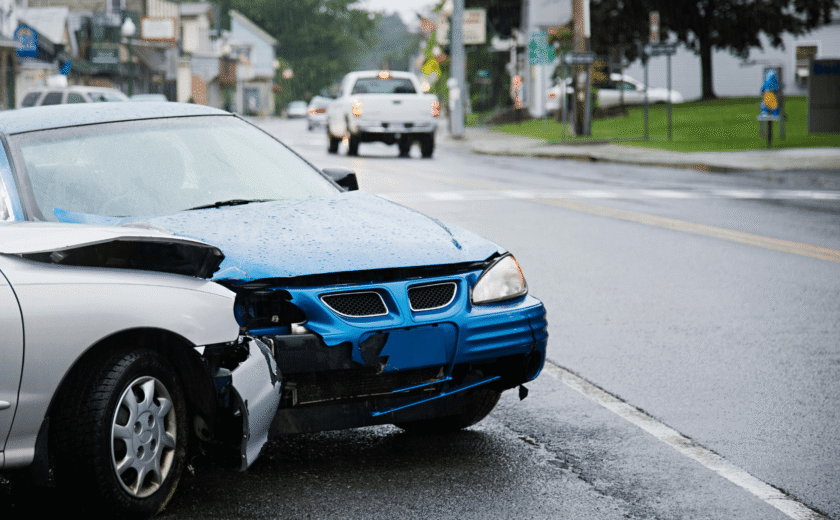
A severe weather event, such as a storm, can be scary and stressful when you’re driving. With heavy rain, hail, flooding, high winds, and fallen trees, an ordinary drive can turn into a stressful, potentially serious accident in mere seconds!
It’s only natural to feel overwhelmed and confused about the actions to take after storm damage, especially if you’ve never been involved in a collision before. If you’re asking, ‘What do I need to do after a car accident?’ you’re in the right place. Before you organize auto collision repair for your pride and joy, take these important steps:
Step 1: Ensure Everyone’s Safety
Your vehicle can wait for repairs, but people can’t wait for medical attention if they need it. Immediately after a storm-related accident, check yourself and your passengers for injuries. If other vehicles are involved in the storm-related collision, assist them as required. If anyone is hurt, call emergency services immediately.
Step 2: Be Aware Of/Mitigate Dangers
Storm-related accidents are different from traditional car collisions. There may be additional secondary risks and hazards to be aware of and to protect yourself from. If your car is in a dangerous position and can be moved, consider moving it. You should also watch for downed power lines, flooding, unstable trees, and fallen debris.
If your vehicle is in a flooded area, turn on the hazard lights, ensure everyone has exited the vehicle, and move to higher ground.
Step 3: Document Everything
Conditions can be ever-changing in a storm. As a result, it’s crucial to document as much as possible from your collision. This can help ensure a smoother insurance claim process.
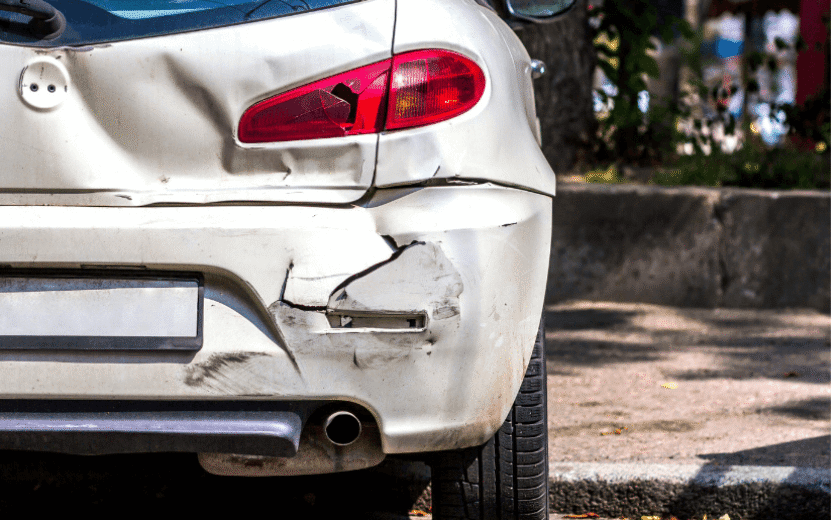
Take photos and videos of your vehicle at the scene of the accident, including the surrounding environment for perspective. Be sure to also take photos of the vehicle damage at all angles.
If weather conditions are visible, capture evidence of these, as well. Write down the time, location, and weather conditions to jog your memory and for accuracy when filling out your insurance forms for auto collision repair.
Step 4: Don’t Start Your Vehicle After Flood Damage
When you’re not familiar with the inner workings of your car, you may not know its limitations or what can worsen an already serious situation. However, if there’s one thing that’s worth knowing in a storm, it’s that starting a vehicle after it has been flooded can cause severe internal damage and may even void coverage. Leave it turned off and request towing to your local auto collision repair business.
Step 5: Call the Police
While you might already call emergency services when people are injured in a storm collision, it’s important to call the police for other reasons. It’s recommended to do so if another vehicle was involved, your insurance policy requires a report, or there is significant damage caused by storm debris, a pole, a tree, or something else.
Even if you’re unsure if a call to the police is necessary, it can be worthwhile as a ‘just in case’ measure.
Step 6: Prevent Further Damage
The worst of the storm may be over, but your vehicle could still sustain additional damage. Take all necessary precautions to limit further damage and loss. In fact, your insurance provider may even expect you to do so.
Cover broken windows with a tarp or plastic and remove valuables from the vehicle. If your vehicle can be moved legally, park it in a safe, dry location.
Step 7: Contact Your Insurance Company
Once you’ve ensured yourself, your passengers, and your vehicle are all safe and protected, it’s time to navigate the logistics of insurance and auto collision repair. Contact your insurance company to make your claim as soon as possible.
Provide them with the information they need and ask whether hail, flood, wind, fallen objects, and other storm-related damages are covered. You should also ask if they require an adjuster inspection and whether towing and storage fees are covered. Don’t forget to write down your claim number!
Step 8: Plan Auto Collision Repairs
Whether you’ve finalized insurance or not, contact your local auto collision repair professionals to discuss possible repairs. Your local auto repair business may even be able to help with the insurance process by communicating directly with your insurer.
They can:
- Verify all required documentation
- Keep you updated throughout the process
- Advocate for the repairs your vehicle needs
- Make your claim move forward smoothly
Get Help With Storm Accident Repairs from Mr. Car Shine Body Shop
Was your vehicle damaged in a storm? Are you daunted by the prospect of navigating insurance and organizing repairs? Mr. Car Shine Body Shop is here to help. We are proud to be your local auto collision repair experts in Garland, Texas, serving vehicle owners throughout DFW.
Not only can we provide insurance claim assistance for your storm repairs, but we can also communicate with your insurer on your behalf and coordinate all necessary repairs to get your vehicle back on the road.
Ready to get started? Contact us today for a free estimate and for more storm collision advice.