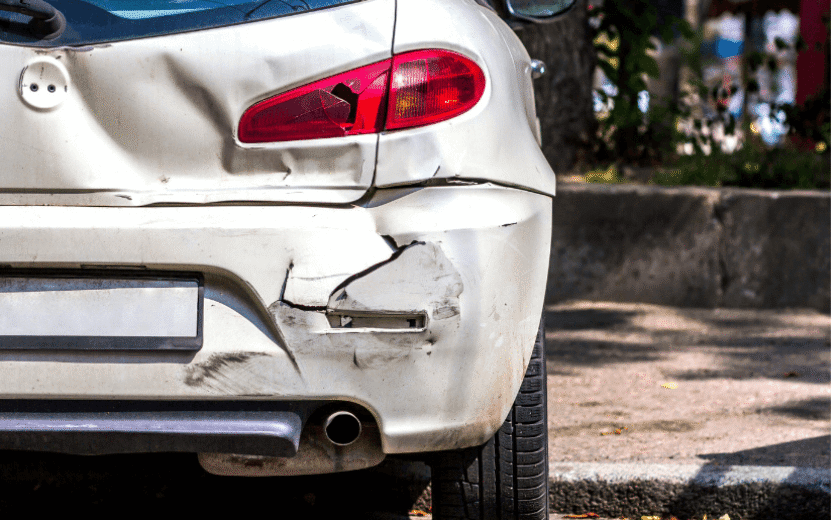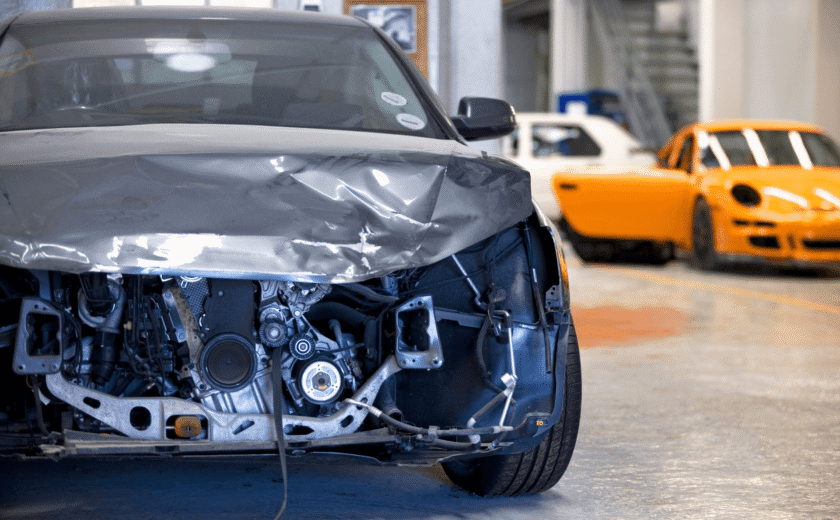


Collision Repair
Not only are you faced with the prospect of injuries and damage after a car accident, but you must also know the actions you need to take to protect your safety, rights, and vehicle. Whether you’ve been involved in a fender bender or a serious collision, follow the crucial steps in this ‘what to do after a car accident’ checklist:
Step 1: Check for Injuries
Before you even worry about collision repair, check everyone involved in the accident to make sure they’re okay. If there are any injuries, even minor ones, call emergency services immediately. Healthcare professionals can rule out or diagnose accident-related injuries that adrenaline may have been masking!
Step 2: Move Your Vehicle to a Safe Location
If your vehicle is still on the road after an accident and is drivable, move it to the side of the road. This one simple action may prevent another accident and allow the traffic to start moving once more. Don’t forget to turn your hazard lights on!
Step 3: Call the Police
Even if you’re not entirely sure what to do after a car accident, you should always call the police to file a report if there is damage or injuries. A police report can be crucial for a straightforward insurance claim process, along with being able to pursue legal action should you decide to do so.
The minimum threshold for filing an accident report varies by state. In Texas, you must notify the authorities and report the accident if:
- There are injuries
- There has been a fatality
- The accident caused property damage of over $1,000
- The vehicle can’t be moved
After an accident, law enforcement officers investigating a motor vehicle crash that meets the criteria above must report it to TxDOT within 10 days.
Step 4: Exchange Information with the Driver(s) Involved
While you shouldn’t discuss fault or assign blame after a collision, you should still exchange information with all drivers involved. This information is important for filing an insurance claim during the collision repair process. Keep a notebook in your glove compartment to write down the following details:
- Full name and contact information
- Driver’s license number
- License plate details
- Insurance company and policy number
- Vehicle make and model
Step 5: Document the Scene
If you’re in a position to do so, take as many photos and videos as possible from the scene of the accident. Try to capture the vehicle damage, your injuries, the position of the vehicles, and the road conditions and traffic signs in the area.
Insurance companies need all the facts when performing repair assessments and approving various damage and injury costs. The more information they have, the more straightforward the process can be! Rest assured that the most highly regarded collision repair businesses will guide you through the insurance claim process every step of the way.
Step 6: Gather Witness Information
It could be your word against the other driver’s. Therefore, if you see anyone else at the scene of your accident, don’t be afraid to get their contact information. It could be vital for confirming your version of events.
Step 7: Inform Your Insurance Company
As soon as it’s practical to do so, inform your insurance company of your accident. Provide detailed information that you’ve gathered from the scene of the collision and afterward, including photos of the damage, medical and police reports, and witness statements. All of this information can help ensure a straightforward claim process.
Step 8: Arrange A Vehicle Inspection
It’s time to give your pride and joy the attention it deserves. Even if it has only sustained minor damage, it’s crucial to have your vehicle inspected by professionals. Hidden structural or mechanical problems can worsen over time if not addressed.
Certified collision repair technicians will perform a thorough assessment of your vehicle to identify all damage, from light scratches and dents through to suspension and frame issues. They can also provide a digital assessment, which is a fast evaluation of your collision damage, with an often-free online or in-person inspection.
Step 9: Choose a Trusted Collision Repair Shop
You want your pride and joy to be restored safely and correctly, and that begins with a collision repair shop you can trust. To narrow down your options, look for a business with:
- Experienced, certified technicians
- Free estimates
- Specialized collision repair services
- Insurance claim assistance
- OEM-approved repair practices
- OEM and OEM-approved parts
- Great reviews and testimonials
- Warranties and guarantees on parts and workmanship
When you’ve selected a reputable repair shop, you can expect them to assess the visible and hidden damage, provide a detailed repair estimate, work with your insurance provider, and restore your vehicle to its pre-accident condition.
Organize Collision Repair Services with Mr. Car Shine Body Shop in Garland, TX
Accidents are never convenient, but being prepared for them if they do happen can make all the difference! Stay calm, tick off the tasks on this ‘what to do after a car accident’ checklist, and get back on the road with confidence.
Mr. Car Shine Body Shop in Garland, Texas, is here to help. Our certified technicians will provide a comprehensive assessment of your collision-damaged vehicle, advise you on the repairs required, and guide you through the insurance process from start to finish. We look forward to restoring your vehicle properly and safely! Contact us today to schedule your service or learn more.